

Automatic transmission is one of the most valued innovations in modern vehicles. Unlike manual gear systems, it simplifies driving by shifting gears seamlessly. While it provides convenience, it also requires careful maintenance. An automatic transmission is made of complex components that must work in harmony. If one part is neglected, the entire system can be affected. That’s why knowing how to care for it properly is essential for long-term reliability.
Importance of Regular Fluid Checks
Transmission fluid is the lifeblood of your vehicle’s system. It lubricates moving parts, reduces heat, and ensures smooth gear transitions. Over time, fluid can degrade and lose effectiveness. Low or contaminated fluid often leads to rough shifting, overheating, or even permanent damage. Make it a habit to check fluid levels periodically. Most cars have a dipstick for this purpose. A clean, red-colored fluid signals good condition, while dark or burnt-smelling fluid means replacement is needed.
When to Replace Transmission Fluid
Manufacturers usually provide a recommended schedule for fluid replacement. This varies depending on your car model and how you use it. Heavy driving, towing, or frequent stop-and-go traffic can speed up fluid wear. In such cases, earlier replacement may be necessary. Following the guidelines ensures your transmission stays in top condition. Some newer vehicles even have sealed transmissions with no dipstick. For these, servicing must be done by professionals at recommended intervals.
Keep an Eye on Transmission Temperature
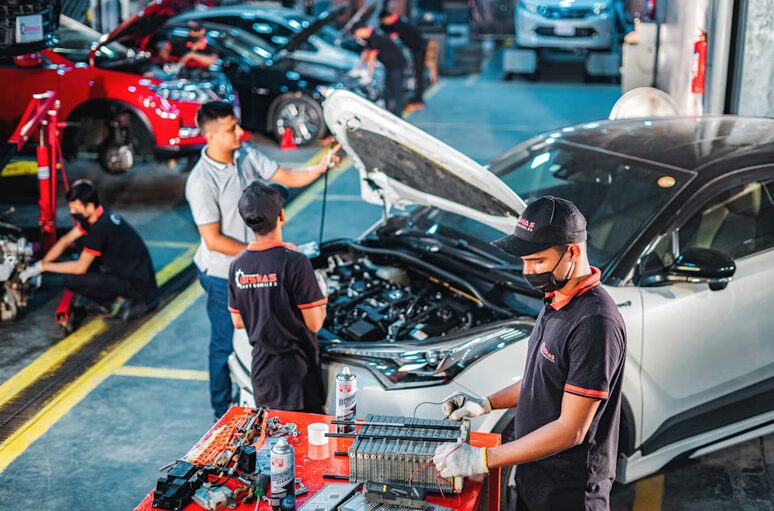
Excessive heat is the main cause of transmission failure. Every time the system overheats, it reduces the lifespan of the fluid and internal components. Installing a transmission temperature gauge can be helpful, especially for vehicles used in demanding conditions like towing. Staying within the normal temperature range preserves performance. If your vehicle begins to overheat often, it’s important to investigate immediately. Ignoring heat-related problems can result in costly repairs or even total replacement.
Pay Attention to Warning Signs
Automatic transmissions often give early signs when something is wrong. Delayed gear shifts, slipping gears, strange noises, or leaks are all red flags. Sometimes the check engine light comes on due to transmission-related issues. Ignoring these signals can lead to further complications. The moment you notice unusual performance, seek professional inspection. Acting early can prevent a minor issue from escalating into a major problem.
Regular Professional Inspections
While some maintenance tasks can be done at home, professional inspections remain vital. Mechanics have the tools and expertise to spot issues that may not be obvious to drivers. During inspections, they check for leaks, fluid quality, and overall performance. Routine servicing not only ensures reliability but also extends the vehicle’s lifespan. Professional care provides peace of mind, knowing that small concerns are being addressed before they turn serious.
The Role of Driving Habits
Driving style has a direct impact on transmission health. Sudden accelerations, abrupt stops, or aggressive driving can place unnecessary strain on the system. Smooth driving helps reduce wear and keeps the system operating efficiently. Avoid shifting into reverse before the vehicle comes to a complete stop. Likewise, do not rest your foot on the brake or accelerator when parked in neutral. These small adjustments in driving behavior go a long way toward preserving your transmission.
Taking care of your automatic transmission is not only about avoiding repairs. It’s also about ensuring safety and enhancing driving comfort. A well-maintained system provides smooth shifts and efficient power delivery. This leads to better fuel economy and improved vehicle performance. In the long run, maintenance saves money by preventing breakdowns and prolonging the life of your car. By giving your transmission the attention it deserves, you protect one of the most important components in your vehicle.